
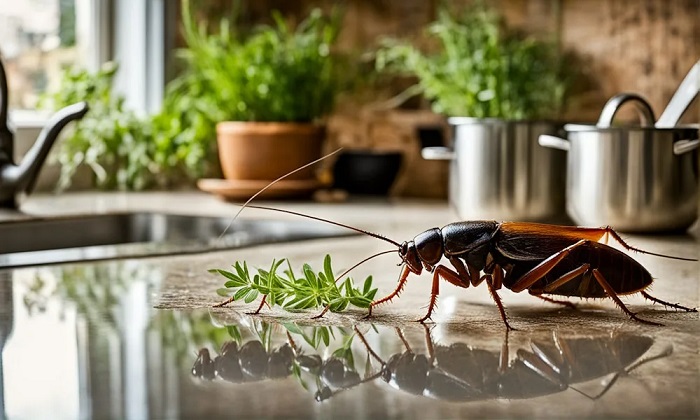
A few cockroaches appear in the kitchen. Ants begin following a trail beneath the back door. A homeowner applies a treatment, cleans the affected area, and the problem seems to disappear. Several weeks later, the same pests return.
This is a familiar frustration for homeowners in Baton Rouge, where warm temperatures, high humidity, seasonal rainfall, and established vegetation can support a wide variety of household pests.
What makes recurring infestations particularly difficult is that the visible insects often represent only part of the problem. A successful prevention strategy needs to address not just the pests themselves, but the conditions that encourage them to enter and remain inside a building.
Why Pests Return After an Initial Treatment
Many pest treatments can reduce insects in the areas where they are applied. However, their effectiveness depends on the species involved, the treatment method, and whether the underlying infestation has been addressed.
For example, ants entering through a kitchen window may belong to a colony established outdoors. Eliminating the visible workers does not necessarily affect the colony.
Cockroaches may remain concealed behind appliances, within cabinets, or in structural voids. Some species reproduce indoors, while others move inside from surrounding environments.
Rodents can present a similar problem. Removing a mouse from an attic is unlikely to provide lasting protection if the same opening remains accessible to other animals.
The distinction is between eliminating individual pests and managing the population and environmental conditions responsible for their presence.
This is why professional pest inspections typically focus on identifying pest species, locating harborages, evaluating entry routes, and understanding what attracts pests to the property.
Baton Rouge’s Climate Creates Particular Challenges
Louisiana’s humid subtropical climate supports pest activity across much of the year.
Periods of warm weather can encourage insect development and foraging. Rainfall may influence pest movement, particularly when outdoor nesting areas become saturated or moisture accumulates around foundations.
However, rainfall does not produce identical effects for every species.
Some ants may relocate or increase their activity near buildings after heavy rain. Certain cockroaches are associated with moist outdoor environments, while German cockroaches can maintain established indoor populations regardless of the weather.
Dry periods can also influence where insects search for water.
Consequently, homeowners should avoid assuming that every infestation has a single seasonal explanation. Local weather is one contributing factor among several.
The Three Resources Every Pest Needs
The Environmental Protection Agency identifies food, water, and shelter as fundamental resources that support many household pests.
Reducing access to these resources is a central principle of integrated pest management.
Food Sources
Food does not have to be left openly on a countertop to attract pests.
Grease behind a stove, crumbs beneath appliances, pet food in a garage, and residue in garbage containers may provide enough nourishment for certain insects or rodents.
Kitchen sanitation should therefore include areas that are difficult to access during routine cleaning.
Dry goods are best stored in tightly sealed containers, and garbage should be removed regularly.
Water Sources
A leaking sink, dripping outdoor faucet, clogged gutter, or poorly drained planting bed can create persistent moisture.
Bathrooms, kitchens, laundry areas, and spaces around air-conditioning systems deserve particular attention.
Repairing leaks can reduce opportunities for pests that depend on moist environments.
Shelter
Pests often establish themselves in undisturbed places.
Cardboard storage, dense landscaping, accumulated debris, cluttered garages, and concealed structural openings can all provide shelter.
Reducing unnecessary clutter and maintaining accessible exterior areas also makes future pest inspections more effective.
How Small Structural Openings Become Pest Entry Points
Many homeowners focus on cleanliness but overlook physical access to their property.
Exterior doors, window frames, utility penetrations, garage thresholds, and foundation joints can all contain gaps.
Different pests require different levels of access. Small insects may exploit narrow cracks, while rodents can use openings that are surprisingly difficult to notice.
An exterior inspection should include:
- Damaged door sweeps and weatherstripping
- Openings around plumbing and electrical lines
- Cracked or deteriorating window screens
- Gaps where siding or trim meets other materials
- Garage door corners and thresholds
- Accessible attic and roofline openings
Any repairs should preserve necessary ventilation and drainage. For example, brick weep holes should not simply be sealed shut, because they serve an important moisture-management function.
Pest-resistant covers or guards may be suitable for some of these openings.
Why Identifying the Pest Species Matters
One of the reasons general household treatments fail is that pests with similar appearances can behave very differently.
An ant species that responds well to a particular bait may behave differently from another species that nests in concealed wall cavities.
Cockroach control also depends heavily on identification.
German cockroaches frequently establish themselves indoors, where sanitation, monitoring, and carefully positioned bait treatments can be important.
American and smokybrown cockroaches may be associated with outdoor environments and can enter buildings through structural openings or utility routes.
Rodents require an entirely different approach involving exclusion, monitoring, and appropriate population-control measures.
When evaluating pest control in Baton Rouge, homeowners should look for a process that begins with identifying the actual problem rather than applying the same treatment to every infestation.
An inspection-based approach can prevent unnecessary applications and help direct attention toward the areas where intervention is most likely to work.
The Difference Between Temporary Relief and Long-Term Prevention
A one-time treatment may be appropriate for an isolated pest problem.
However, recurring infestations often require follow-up monitoring and corrective maintenance.
Consider a house with persistent cockroach sightings near a utility room. Treating the visible insects may reduce activity temporarily. But if a plumbing leak remains unresolved, moisture-related conditions may continue attracting pests.
Similarly, a rodent problem can return when entry points are not repaired after population control.
A long-term management plan therefore combines several measures:
- Identify the species and extent of activity.
- Locate entry points and favorable environmental conditions.
- Apply an appropriate control method.
- Correct structural, sanitation, or moisture problems.
- Monitor results and adjust the strategy when needed.
This approach is consistent with integrated pest management, which emphasizes effective control while reducing unnecessary dependence on pesticides.
What Homeowners Can Do Between Inspections
A practical prevention routine does not require extensive daily maintenance.
Weekly tasks can include cleaning food preparation areas, checking for unnecessary standing water, inspecting pet-feeding locations, and removing food waste.
Monthly tasks may involve examining accessible plumbing, checking door seals, looking behind appliances, and reviewing storage areas for evidence of pests.
Seasonal maintenance should include trimming vegetation away from buildings, clearing debris, checking gutters, and inspecting exterior openings.
Keeping a simple record of pest sightings can also be useful.
For example, repeated cockroach activity in the same bathroom may suggest a localized moisture or access problem, while persistent ants near one exterior wall may indicate an established foraging route.
Such details can help guide a professional inspection.
When Professional Pest Management Becomes Necessary
An occasional insect entering through an open door does not always justify extensive treatment.
However, repeated indoor sightings, rodent droppings, persistent ant trails, suspected termite activity, and insects appearing in large numbers are reasons for closer investigation.
Homeowners should also seek professional guidance when attempts at self-treatment have not resolved the issue.
Applying additional pesticides without knowing the species or source can be ineffective and may create unnecessary exposure risks.
A qualified provider should explain the problem, proposed methods, safety considerations, and any follow-up responsibilities.
Keeping Baton Rouge Homes Less Attractive to Pests
Long-term pest prevention depends on maintaining a home environment that offers fewer opportunities for insects and rodents to enter, feed, and reproduce.
Sanitation, moisture management, exclusion, and monitoring work together. None is a universal solution, but each can reduce the conditions that allow recurring infestations.
For homeowners exploring ongoing assistance, J&J Exterminating describes its residential pest prevention program, which incorporates inspections, exclusion, and recurring protection.
Understanding why pests keep returning is the first step toward solving the underlying problem rather than repeatedly responding to the same symptoms.