
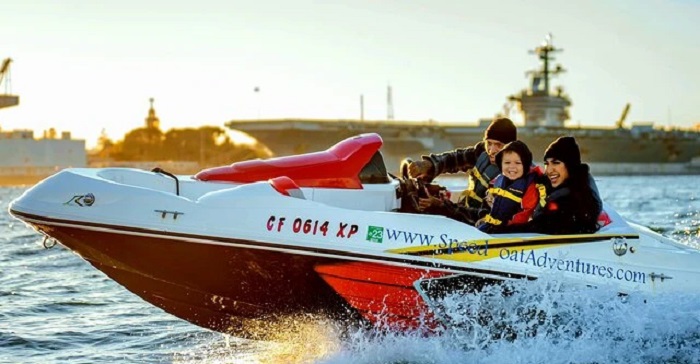
The sea has always been a place of adventure, freedom, and innovation. For centuries, humans have been obsessed with pushing the limits of speed across the water. From the earliest racing yachts to cutting-edge hydroplanes, boat designers have continuously experimented with new materials, engineering techniques, and propulsion systems. The result? Some of the fastest vessels ever built—machines capable of skimming across the water at breathtaking speeds.
But behind the glamour of record-breaking runs and roaring engines lies an often-overlooked truth: safety and practicality matter just as much as speed. Even the fastest boats require essential equipment, such as manual bilge pumps, to ensure they remain seaworthy under extreme conditions.
The Pursuit of Speed on Water
The story of fast boats is one of relentless innovation. In the early 20th century, wooden speedboats powered by piston engines were at the forefront of aquatic racing. By the mid-century, jet propulsion and hydroplane designs pushed the boundaries further. Modern speedboats now use lightweight composites, aerodynamic hulls, and enormous horsepower to smash records that once seemed impossible.
Today’s fastest boats—some capable of surpassing 300 km/h—aren’t just about engineering; they represent human ambition. Each design reflects the desire to defy natural limits, to glide across the waves faster than ever before.
Famous Speed Demons
Several boats stand out in the history of speed:
- Spirit of Australia – A wooden hydroplane built in the 1970s, this craft still holds the world water speed record at over 511 km/h.
- Problem Child – Known as the fastest drag boat, reaching speeds near 400 km/h in competition.
- Bluebird K7 – The iconic jet-powered hydroplane that set multiple records in the mid-20th century.
These vessels weren’t just boats; they were symbols of engineering daring, piloted by individuals willing to risk everything for speed.
The Safety Behind the Scenes
While speedboats are designed to thrill, they also face enormous risks. High velocities amplify every wave, vibration, and mechanical weakness. This is why safety equipment is non-negotiable. Among the most vital tools are manual bilge pumps, which ensure that any unwanted water entering the boat is quickly removed.
Even in high-tech vessels, electronics can fail or systems can short-circuit under extreme stress. A reliable hand pump remains a trusted safeguard. It may not be flashy like the roaring engine or sleek hull design, but without it, a boat’s performance could be compromised—or worse, it could sink.
Manual Bilge Pumps: The Unsung Heroes
So why are manual bilge pumps so important for fast boats? When a vessel cuts through the water at incredible speeds, spray, leaks, and structural stresses are inevitable. Even the tiniest crack can let in water at an alarming rate. If that water isn’t removed, it can destabilize the boat or overload critical systems.
Manual pumps provide a backup that doesn’t rely on electricity or complex mechanics. Lightweight, durable, and easy to operate, they can be installed in cockpits or engine bays for quick access. In the high-stakes world of speedboating, these devices are a simple but crucial line of defense.
For boaters who value both performance and safety, manual bilge pumps are an upgrade worth considering. They combine practicality with peace of mind, ensuring that even in emergencies, the boat stays afloat.
Lessons from the World’s Fastest Boats
The pursuit of speed has taught boaters many lessons, not only about performance but also about resilience. Every groundbreaking design, from hydroplanes to catamarans, has reinforced the fact that the smallest details matter. A poorly placed intake, a missed safety feature, or a neglected pump can mean the difference between victory and disaster.
That’s why even speed demons of the sea rely on balance—style, engineering, and safety working together. The best boats don’t just break records; they endure the test of time by incorporating both advanced technology and time-tested tools like manual bilge pumps.
The Future of Fast Boats
Looking ahead, the fastest boats are likely to lean heavily on hybrid propulsion and advanced materials. Carbon fiber hulls, hydrofoil technology, and electric performance motors are already shaping the next generation of racing boats. Still, the fundamental principles remain unchanged: speed must be matched with safety.
No matter how futuristic these vessels become, the need for reliable water management will always exist. Whether through advanced pumping systems or classic manual bilge pumps, safety will remain the backbone of performance boating.
Conclusion: Beyond Speed
The fastest boats in the world capture our imagination because they symbolize freedom, ambition, and the thrill of defying nature. But behind every record-breaking run is a team of engineers and sailors who know that even the smallest safety measure counts.
So while it’s easy to be dazzled by the roar of engines and the spray of water at 300 km/h, remember that the real heroes may be the simple, reliable systems that keep these boats afloat. Manual bilge pumps may not look glamorous, but without them, the story of speed demons at sea could have a very different ending.