
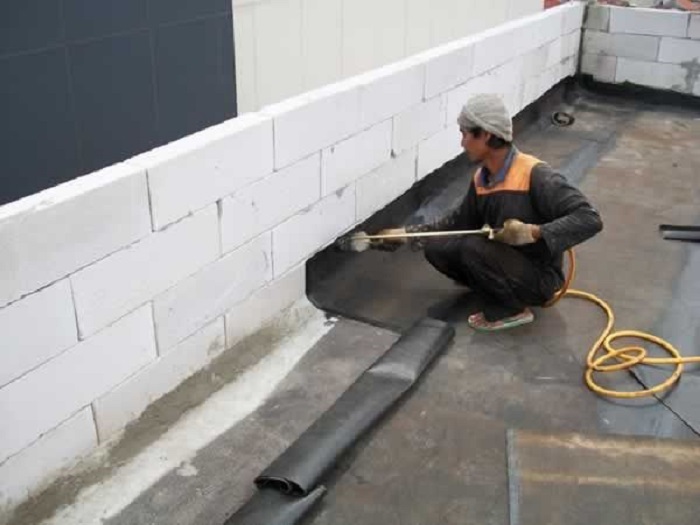
A basement is a high-risk area: moisture, temperature fluctuations, soil pressure, and limited ventilation quickly turn minor defects into serious problems. A competent basement renovation on https://asapreno.ca/basement-renovation-edmonton/ begins not with finishing, but with diagnosing the root causes: where the water is coming from, why the concrete is deteriorating, where heat is lost, and how the utilities are performing.
The purpose of the work can vary: dry storage, a workshop, a boiler room, a laundry room, or a living space. The requirements for waterproofing, insulation, ventilation, and finishing materials depend on the purpose. Below are practical methods, rules, and tips to help ensure a durable and safe renovation.
Basic Methods for Basement Renovation
A basement renovation should logically proceed from water to finishing: first, eliminate moisture, then stabilize the structure, then ensure a favorable microclimate, and only then complete the finishing. Failure to follow this sequence often leads to peeling plaster and the reappearance of mold.
Waterproofing: External and Internal
External waterproofing is considered the most effective, as it protects the structure from water pressure. It typically involves excavation, foundation repair, application of a waterproofing layer, and drainage. This option is more complex and expensive, but provides the longest service life.
Internal waterproofing is used when external work is impossible or as additional protection. Coating compounds, penetrating waterproofing, crack and joint injection, and penetration sealing are used. It’s important to remember: internal protection doesn’t always relieve water pressure on the wall, so cracks and weak areas must be reinforced and properly repaired.
Drainage and Water Removal
Even the best waterproofing works more reliably when water doesn’t linger against the walls. Standard solutions:
- Ring drainage around the foundation perimeter with filter backfill and inspection wells.
- Storm sewer for draining rainwater from the roof and the site.
- Proper blind area with a slope away from the house and watertight abutments.
- Water collection in a sump and pumping (as an additional option in areas with high groundwater levels).
Floor, wall, and crack repair
Structural defects are corrected before finishing. Cracks are widened and filled with repair compounds; active cracks and joints often benefit from sealing with injection materials. The wall-to-floor junction is reinforced with waterproofing tapes/cords and repair mortars, as this is where leaks most often occur.
When installing the floor, it is important to consider:
- Capillary barrier (waterproofing layer/membrane) and joint tightness.
- Thermal insulation (if the basement is heated or used as a room).
- The strength of the screed and expansion joints to prevent cracking.
Ventilation, thermal insulation, and finishing
Without air control, even a dry basement can become saturated with condensation. A working supply and exhaust system is a minimum, and in complex cases, forced ventilation and a dehumidifier are needed. Insulating a basement reduces temperature fluctuations and the risk of condensation, but the materials must be moisture-resistant and the joints must be free of thermal bridges.
For finishing, choose moisture-resistant solutions that allow the walls to function without peeling: mineral plasters, cement-based compounds, moisture-resistant paints, and cladding on a properly prepared base. Use organic materials sensitive to moisture only if the basement is guaranteed dry and has adequate ventilation.
For a long-lasting result: Don’t cover damp walls with “beautiful” finishes, don’t neglect drainage, check ventilation draft, use compatible materials within the same system, and provide access to utilities for maintenance.
If you need a quick estimate of the scope of work and select a solution tailored to your humidity level and the intended use of the space, you can order repairs online and receive a prioritized work plan, from water removal to finishing.
Diagnosing basement problems: dampness, cracks, mold, odor
Inspection should be performed in good lighting and after ventilation, checking the walls, floor, joints, corners, pipe entries, stairwell and floor junctions. The results can be conveniently presented as a defect map: mark damp areas, cracks, mold spots, and odor sources to then select the right repair and prevention methods.
Check by problem type
Dampness and water: determine what exactly is happening – condensation, leaks, or moisture penetration through structures.
- Condensation: drops on cold surfaces, wet pipes, damp corners with closed vents; often intensifies with temperature changes.
- Flooding /leaks: puddles, a damp strip along the bottom of the wall, wet seams, active leaks at utility entry points; Often correlates with precipitation or melting.
- Capillary suction: uniform wetting from the bottom up, efflorescence (white coating), destruction of plaster near the floor.
Cracks: it is important to assess the danger and dynamics, and not just the width of the cracks.
- Note the direction and location: along the seams, diagonal, vertical, “stepped” in the masonry.
- Check the activity: put up beacons (gypsum/paper) or marks and monitor the change.
- Evaluate the accompanying signs: distortions, jamming of doors/hatches, subsidence of the floor, damp cracks.
Mold and biological damage: this is a consequence of persistent moisture and lack of ventilation, and not an independent “disease.”
- Spots in corners and behind stored items often indicate poor air circulation.
- Plaquer near leaks or wet seams indicates a persistent source of water.
- Recurrence after treatment means the cause of the moisture has not been eliminated.
Odor: determine the nature and possible source.
- Mustiness – chronic dampness, condensation, inoperative ventilation.
- Sewer – problems with traps/drains, backdraft, leaky pipes.
- Chemical – fumes from storing materials, fuel, solvents; Immediate ventilation and proper storage are required.
Bottom Line: An accurate basement diagnosis involves identifying the source of moisture, assessing the structural condition, and checking the ventilation. First, the symptoms and their dynamics are recorded, then the causes are identified (condensation, ground/capillary moisture, leaks), after which repairs are planned: waterproofing and drainage, crack repair, mold removal, and ventilation adjustments. This approach prevents the recurrence of dampness, odor, and damage after finishing.