
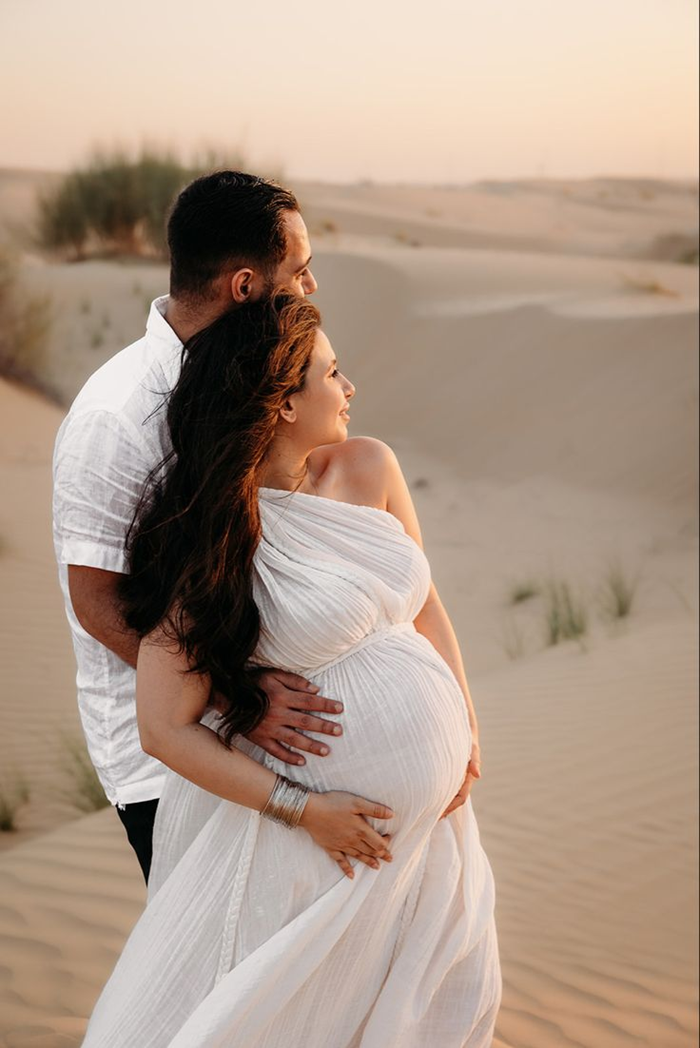
A maternity photo shoot requires careful attention to detail, lighting, and safe posing, where the main goal is to emphasize the tenderness of the expectant period and preserve the naturalness of emotions.
To ensure a memorable result, it’s important to determine the format of the shoot in advance, coordinate ideas, and prepare everything without rushing.
Organizing maternity photographer dubai such a shoot is built on three pillars: the comfort of the expectant mother, well-thought-out logistics, and a visual concept. Whether you’re planning a studio, home, or outdoor shoot, the rules remain similar: less overload, more attention to detail, time, and well-being.
Organizational Rules: Concept, Team, Process
Before the shoot, define 1-2 ideas to avoid spreading yourself too thin. A concept answers questions such as: what style is needed (gentle, minimalist, fashionable), what emotions are important (calm, joy, anticipation), and what background is preferable (studio, home, natural). It’s best to keep the script short: a sequence of images and a rough shot plan.
Clothing, underwear, and accessories
Wardrobe requirements: comfort, a flattering fit, and no items that pinch or leave marks. It’s practical to prepare several options:
- Basic solid color (midi dress, knitwear, oversized shirt).
- Accentuate the stomach (fitted dress, bodysuit with a cape, set with high-waisted panties).
- Warm and cozy (cardigan, blanket, soft textures).
- Details (ribbons, delicate embellishments, flowers, small booties as a symbol, if it suits the style).
It’s best to avoid large, contrasting logos and overly colorful prints: they distract from the main point. Choose stable shoes; Heels are only acceptable if you feel confident and have a safe surface.
Makeup, Hair, and Skin
The look should be fresh and neat. Natural makeup is preferable, but with camera-ready makeup in mind: even skin tone, light contouring, shine control, and defined eyebrows. For hair, it’s important to have a backup option (for example, loose or a low bun), as well as a comb and bobby pins. The day before the shoot, it’s helpful to avoid products that can irritate the skin; it’s best not to test new treatments at the last minute.
Location, Lighting, and Props
A rule for choosing a location: the simpler the background, the more expressive the figure and emotions. The following parameters are important for a studio:
- soft light (window or large light source);
- ability to quickly change clothes and rest;
- minimum unnecessary objects in the frame;
- clean surfaces and safe supports (chair, ottoman, sofa).
Use props sparingly. One item that supports the story (a blanket, a book, flowers) is more effective than a collection of random items.
Timing and Checklist
- 7-10 days in advance: approve the style, location, and list of looks, agree on the time and duration.
- 2-3 days in advance: try on clothes, check underwear, prepare shoes, and agree on makeup/hairstyle.
- The day before: pack a bag (water, snacks, napkins, powder, hair tie, bandages), get enough sleep.
- On the day of the shoot: arrive a little early, discuss how you’re feeling, take breaks, and change poses more often.
A well-organized maternity photo shoot adheres to safety requirements, Respects personal boundaries and is built around comfort. Then the photos turn out not only beautiful but also truly warm – the kind you’ll want to return to years later.
Optimal Pregnancy Timing for Photoshoots and Medical Restrictions
For most expectant mothers, the most comfortable and predictable time for a photo shoot is the middle of the third trimester, when the bump is already clearly visible and the woman’s health usually allows her to pose comfortably and change outfits.
When choosing a date, it’s important to consider not only the visual outcome but also safety: the gestational age, doctor’s recommendations, current feelings, and possible exercise restrictions. If in doubt, medical advice always takes precedence.
Most Commonly Scheduled Photo Shoots
The optimal window for most pregnant women is 28–34 weeks: the belly is noticeable, swelling and fatigue are usually not at their peak, and it is easier to choose clothes and endure the length of the shoot.
Possible options by trimester (guideline, not a rule):
- 20–27 weeks – suitable for those whose belly is already noticeable; A good option for a relaxed, non-tiring shoot, but for some, the belly in the photo may not look “like it’s in late pregnancy.”
- 28–34 weeks – the most versatile period in terms of combining appearance and physical comfort.
- 35–38 weeks – possible if you’re feeling stable; it’s important to keep the shoot time short, avoid travel, and avoid difficult situations pos.
Rule of thumb: It’s best to plan your photo shoot with ample time to avoid being stuck in the middle of a shoot if your health deteriorates, your doctor’s recommendations change, or you need to reschedule.
Medical restrictions are grounds for adjusting the format or canceling the shoot. Any complications require consultation with a doctor, and sometimes a rescheduling or replacement with home, the most gentle option.
- Tone, pain, or spotting are reasons to cancel the session and seek medical attention.
- Threat of premature labor, shortening of the cervix, or the need for bed rest/strict rest: a session is only possible with a doctor’s permission and, as a rule, with minimal physical exertion.
- Preeclampsia/severe hypertension, severe swelling, headaches, or deteriorating health require medical supervision; it is better to reschedule or cancel the session.
- Anemia, severe weakness, or shortness of breath: reduce the time, avoid prolonged positions and climbing stairs, and take mandatory breaks.
- ICF, Pessary/sutures – restrictions on postures and prolonged standing; sedentary sessions and a calm pace are preferred, only with the doctor’s permission.
- Gestational diabetes – consider diet and self-monitoring; plan breaks and avoid overheating.
Organizational safety rules that apply almost always:
- Duration: 60–90 minutes is better than a “marathon” of several hours.
- Pauses: regular breaks for water, snacks, and a change of position.
- Positions: avoid prolonged lying on your back, sharp bends, deep squats, unstable supports, and any “tricks.”
- Temperature: avoid overheating and hypothermia; When shooting on location, consider the weather and availability of shelter.
- Location: Minimize long journeys and climbing stairs; choose locations with a restroom and seating.
- Support: The presence of a partner/close friend is desirable, especially in later stages.
Summary: The best time for a photo shoot is usually between 28 and 34 weeks, but the final decision depends on your well-being and your doctor’s recommendations. Safety is more important than concept: a gentle format, short duration, and comfortable conditions help to achieve beautiful shots without unnecessary strain.